
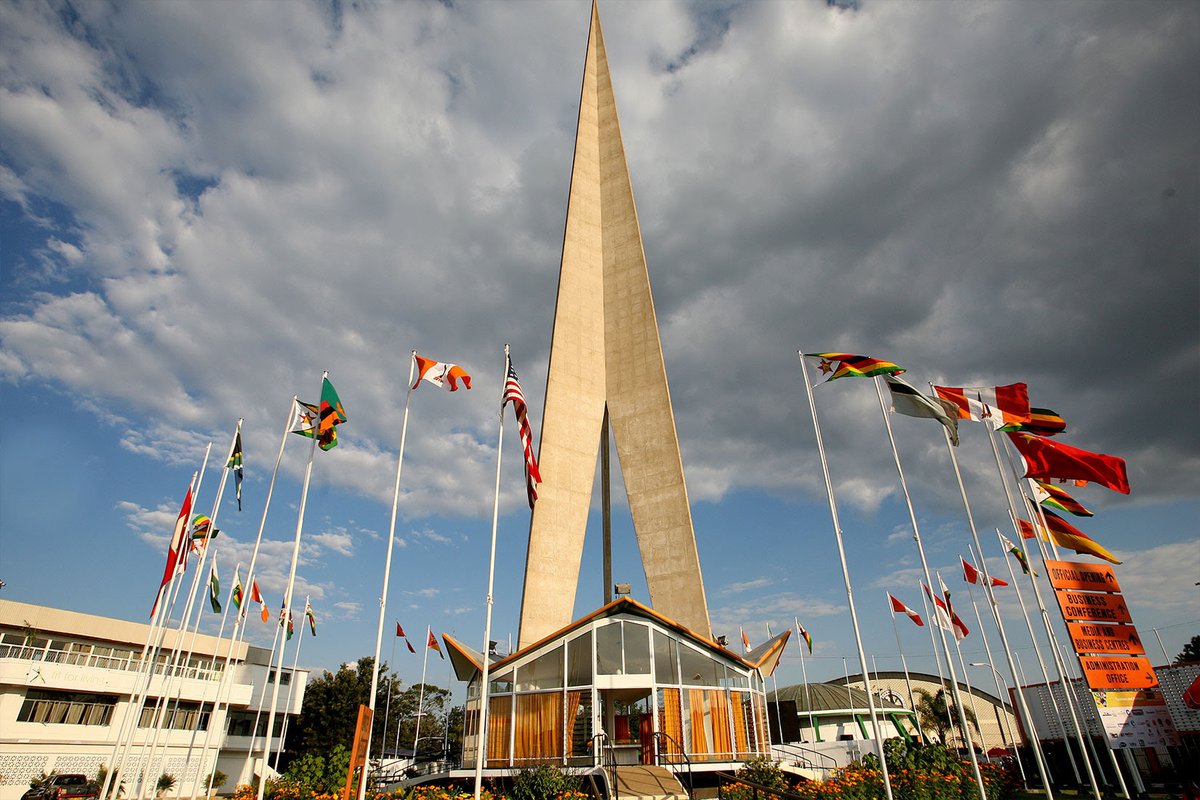
Introduction: A Conference That Shifted from Dialogue to Direction
The Zimbabwe International Business Conference 2026 has concluded, leaving behind more than speeches and networking, it delivered a clearer signal of where Zimbabwe’s investment landscape is heading.
Unlike previous editions that focused heavily on policy discussion, this year’s conference was defined by execution-oriented engagement. Investors, government officials, and private sector leaders converged in Harare with a shared focus: converting opportunity into structured investment pipelines.
What emerged was not just optimism, but a more defined roadmap for mining, agriculture, manufacturing, energy, and logistics expansion.
Key Investment Highlights and Announcements
Mining Sector Took Centre Stage
Mining remained the most dominant investment theme throughout the conference.
Key developments included:
- Renewed interest in lithium processing partnerships
- Expansion plans for platinum group metal value chains
- Commitments toward sustainable mining technologies
- Discussions on local beneficiation facilities
Several investors signaled intent to move beyond extraction into refining and downstream processing, aligning with Zimbabwe’s long-term industrialization strategy.
The shift is significant: instead of exporting raw minerals, Zimbabwe is increasingly positioning itself as a processing hub for global supply chains.
Agriculture Moves Toward Industrialization
The agriculture sector featured prominently, but the tone was notably different from traditional discussions.
The focus has shifted toward agro-industrial transformation, with emphasis on:
- Irrigation-led commercial farming expansion
- Agro-processing zones for export markets
- Livestock and dairy value chain investments
- Climate-resilient farming systems
Rather than subsistence production narratives, the conference highlighted agriculture as a scalable industrial opportunity linked to regional trade.
Manufacturing Investment Signals Strengthen
Manufacturing emerged as one of the strongest forward-looking themes.
Investors expressed interest in:
- Textile and garment production clusters
- Food and beverage processing plants
- Automotive component assembly opportunities
- Construction materials manufacturing hubs
Special economic zones were repeatedly referenced as key entry points for industrial investors targeting SADC and AfCFTA markets.
This marks a continued push toward reindustrialization and import substitution.
Energy and Infrastructure Commitments Expand
Energy discussions were highly focused on unlocking industrial capacity.
Key takeaways included:
- Strong investor interest in solar and hybrid energy projects
- Expansion of independent power producer (IPP) frameworks
- Continued push for grid stabilization and modernization
- Energy supply dedicated to industrial zones
Energy security was widely acknowledged as a foundational requirement for industrial growth, with private sector participation seen as essential.
Logistics and Trade Efficiency Gains Priority Attention
Logistics bottlenecks were openly addressed, with strong emphasis on:
- Border post efficiency improvements
- Rail infrastructure rehabilitation
- Development of inland logistics hubs
- Digital customs and trade facilitation systems
These reforms are expected to directly support Zimbabwe’s ambition to become a regional trade and transit hub.
AfCFTA Positioned as the Long-Term Growth Engine
A consistent theme across sessions was Zimbabwe’s alignment with the African Continental Free Trade Area (AfCFTA).
The agreement is increasingly seen as the framework that will:
- Expand market access beyond domestic borders
- Enable regional value chain integration
- Improve export competitiveness
- Attract manufacturing relocation from outside Africa
Zimbabwe’s strategy is now clearly tied to exporting into Africa rather than only producing for local consumption.
Private Sector Response: Cautious but Engaged
The private sector response to the conference was generally positive, though measured.
Investor sentiment highlighted:
- Interest in structured, de-risked investment models
- Demand for clearer regulatory consistency
- Need for currency and repatriation certainty
- Preference for PPP-backed infrastructure projects
While optimism is growing, investors made it clear that execution will determine whether commitments translate into capital inflows.
Agreements and Memoranda: Early Stage Commitments
Several memoranda of understanding (MoUs) were signed across key sectors, particularly:
- Mining exploration and processing partnerships
- Renewable energy development frameworks
- Agro-processing investment initiatives
- Logistics and infrastructure collaboration agreements
However, most agreements remain early-stage and will require follow-up structuring before financial close.
Key Challenges Highlighted During the Conference
Despite the positive momentum, several structural challenges were repeatedly acknowledged:
Policy implementation consistency
Investors emphasized the need for predictable regulatory enforcement.
Infrastructure constraints
Transport and energy systems still require significant investment upgrades.
Financial system limitations
Access to long-term capital and currency stability remain key concerns.
Project execution speed
Delays between agreement and implementation were flagged as a historical issue.
What Happens Next: From Conference to Execution
The real test begins after the conference ends.
Next steps expected include:
- Formation of sector-specific investment working groups
- Conversion of MoUs into bankable project structures
- Investor roadshows targeting global capital markets
- Public-private partnership pipeline development
- Regulatory refinement to support approved investments
The emphasis is now firmly on execution rather than announcement.
Conclusion: A Conference That Defined Direction, Not Just Dialogue
The Zimbabwe International Business Conference 2026 will be remembered less for its speeches and more for the direction it set.
It reinforced Zimbabwe’s positioning as:
- A mining value addition hub
- A regional agro-industrial base
- A manufacturing entry point into AfCFTA markets
- A developing energy investment destination
- A logistics corridor linking Southern Africa
While challenges remain, the trajectory is becoming clearer: Zimbabwe is moving from opportunity narrative to structured investment implementation.
The next phase will determine whether the commitments made in Harare translate into tangible economic transformation.
CALL TO ACTION: From Agreements to Active Investment
For investors and businesses tracking Zimbabwe’s economic direction, the post-conference phase is critical.
Now is the time to:
- Track implementation of announced MoUs
- Engage with sector-specific investment units
- Structure AfCFTA-aligned expansion strategies
- Participate in PPP and infrastructure pipelines
- Position early in mining, energy, and manufacturing projects
The conference may be over, but the real investment cycle has just begun.
.jpg)
.jpg)