Introduction
Zimbabwe’s tax environment is becoming increasingly digital.
Over the past few years, the Zimbabwe Revenue Authority has accelerated efforts to modernize tax compliance systems through:
- electronic tax platforms,
- digital fiscalisation,
- automated reporting,
- and mobile-based compliance tools.
One of the most important developments for small businesses and informal traders is the growing use of mobile fiscalisation technology.
Traditionally, fiscalisation systems were associated with:
- supermarkets,
- large retailers,
- fuel stations,
- pharmacies,
- and established formal businesses.
These systems often required:
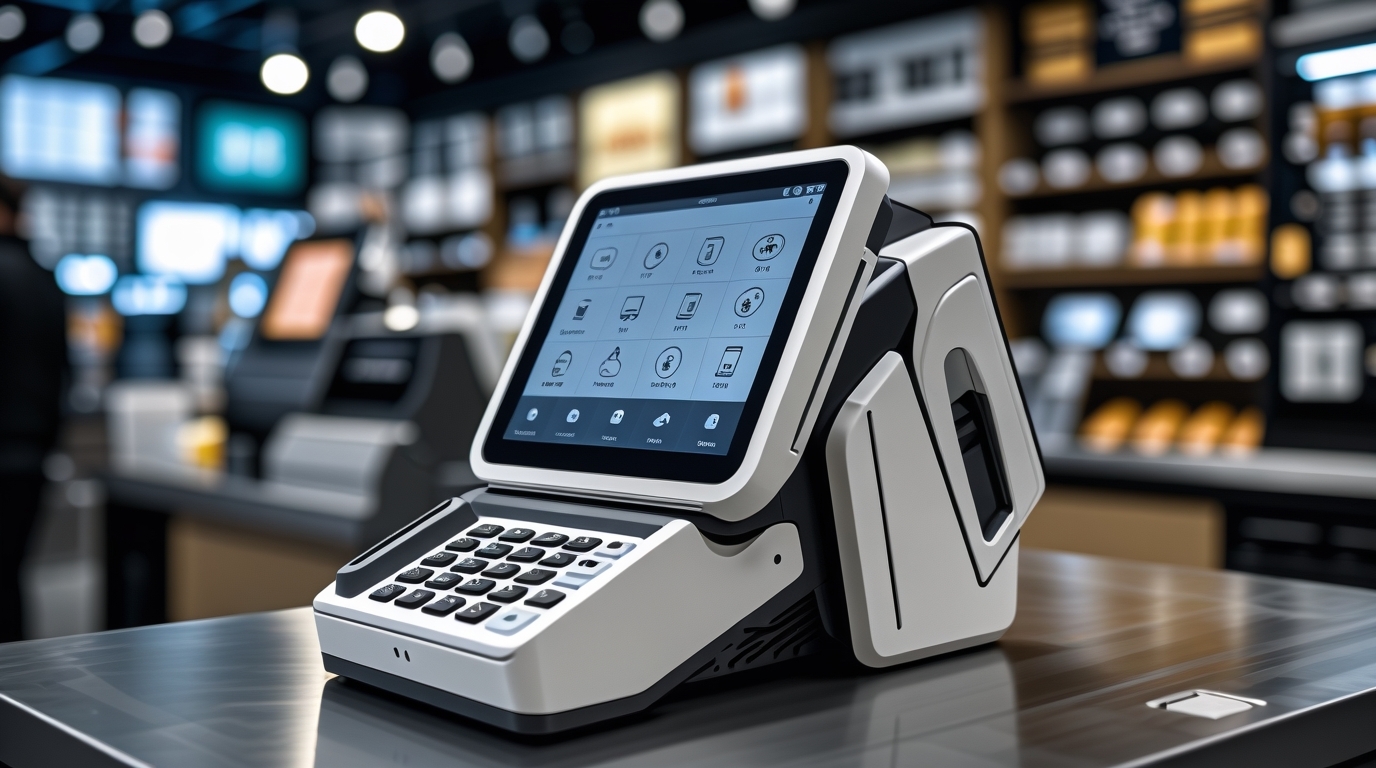
- dedicated fiscal devices,
- point-of-sale hardware,
- and expensive integration infrastructure.
For many informal traders and small businesses, these costs created a major barrier to compliance.
However, mobile fiscalisation is changing this reality.
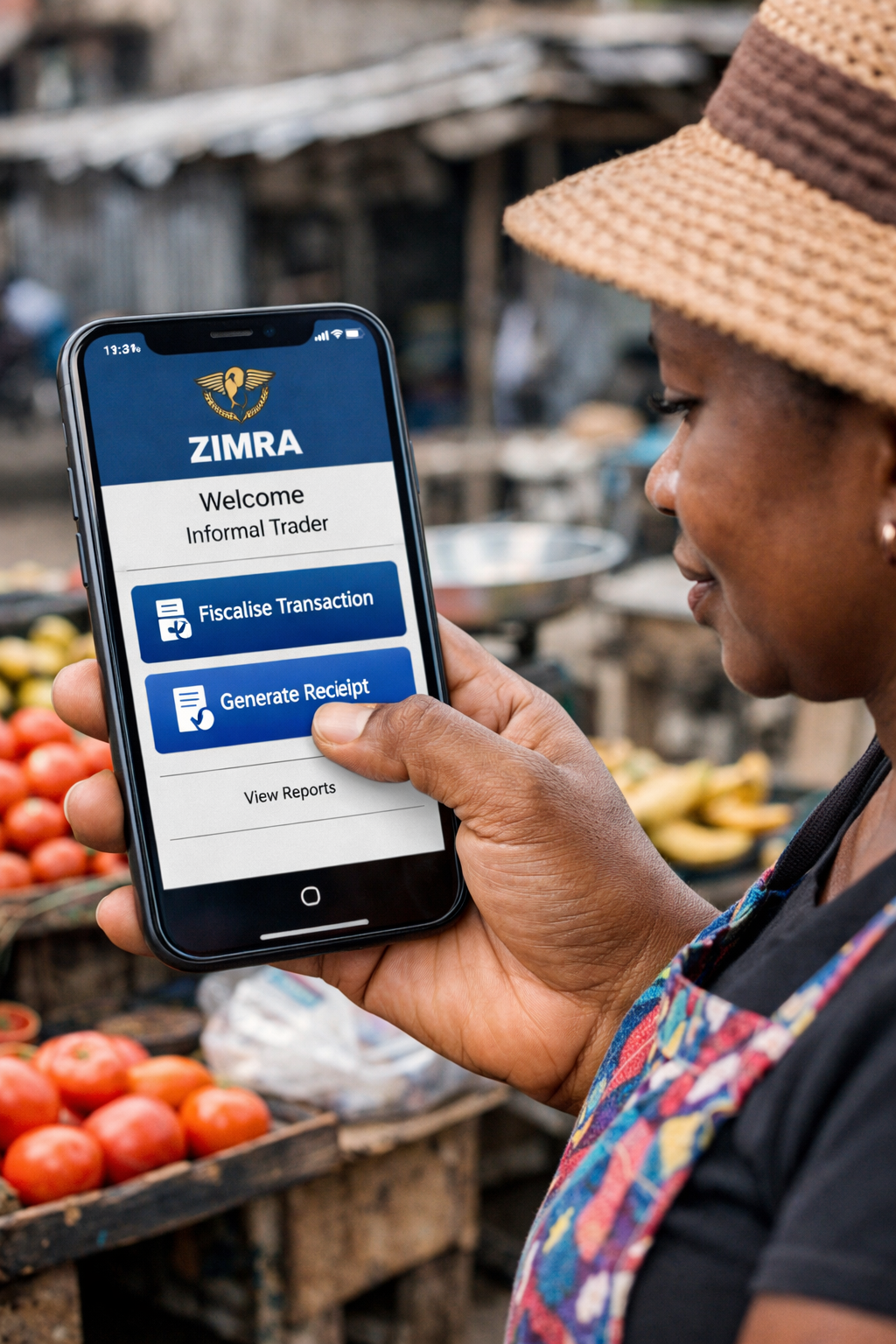
Zimbabwe is increasingly moving toward digital tools that allow traders to:
- issue compliant receipts,
- record transactions,
- and interact with tax systems
using only a smartphone.
This transition is important because informal businesses represent a significant portion of Zimbabwe’s economy.
As tax systems modernize, many informal traders will increasingly need affordable and accessible compliance solutions.
Mobile fiscalisation offers a practical pathway toward formalization without requiring expensive hardware investments.
What Is Fiscalisation?
Fiscalisation refers to systems that electronically record and transmit sales transaction data for tax compliance purposes.
In Zimbabwe, fiscalisation helps the tax authority monitor:
- VAT transactions,
- sales activity,
- and revenue declarations.
Fiscal devices generate compliant receipts containing:
- transaction information,
- tax details,
- verification codes,
- and fiscal identifiers.
Historically, businesses often required specialized fiscal hardware to achieve this.
However, mobile fiscalisation solutions now allow businesses to perform similar functions digitally through mobile applications.
This significantly lowers the cost of compliance for smaller enterprises.
Why ZIMRA Is Expanding Mobile Fiscalisation
The push toward mobile tax systems is driven by several factors.
The Size of the Informal Economy
Zimbabwe has one of the largest informal sectors in Africa.
Many businesses operate:
- through market stalls,
- small retail shops,
- transport services,
- mobile trading,
- and home-based enterprises.
Traditional fiscal hardware solutions were often impractical for these businesses because of:
- high costs,
- infrastructure limitations,
- and operational complexity.
Mobile fiscalisation creates a more accessible compliance model.
Digital Tax Administration
Revenue authorities globally are increasingly adopting digital tax systems.
Digital compliance improves:
- transaction visibility,
- audit efficiency,
- revenue collection,
- and taxpayer management.
Zimbabwe is part of a broader continental shift toward:
- e-invoicing,
- electronic receipts,
- and digital tax administration.
Lower Compliance Costs
One of the biggest barriers to formalization is compliance cost.
Many small traders cannot afford:
- sophisticated point-of-sale systems,
- dedicated accounting software,
- or specialized fiscal devices.
A mobile app significantly reduces these barriers by allowing businesses to use existing smartphones.
How Mobile Fiscalisation Works
Although implementation details may evolve, mobile fiscalisation systems generally allow traders to:
- register digitally,
- issue compliant electronic receipts,
- record sales transactions,
- and submit transaction data electronically.
Typically, the process involves:
- taxpayer registration,
- mobile application setup,
- transaction entry,
- receipt generation,
- and digital reporting.
Instead of printing traditional fiscal receipts using expensive machines, traders can often:
- generate digital receipts,
- send receipts electronically,
- or produce simplified compliant transaction records.
This allows businesses to operate more flexibly while remaining compliant.
Benefits for Informal Traders
Mobile fiscalisation may initially appear intimidating for small traders.
However, the long-term advantages can be significant.
Lower Entry Costs
The biggest advantage is affordability.
Instead of purchasing expensive fiscal hardware, traders can often use:
- existing smartphones,
- mobile internet,
- and simple digital tools.
This lowers the financial barrier to compliance.
Simplified Record Keeping
Many informal businesses struggle with:
- poor transaction records,
- missing receipts,
- and inconsistent bookkeeping.
Mobile fiscalisation automatically creates digital transaction records.
This improves:
- sales tracking,
- business visibility,
- and financial organization.
Improved Access to Finance
One major challenge facing informal businesses is limited access to financing.
Banks and lenders often require:
- transaction histories,
- revenue records,
- and financial documentation.
Digital sales records generated through mobile fiscalisation can help businesses build stronger financial profiles.
Over time, this may improve access to:
- microfinance,
- SME loans,
- supplier credit,
- and investment opportunities.
Reduced Compliance Risk
Businesses operating without compliant systems face increasing regulatory risk.
As digital tax enforcement expands, authorities may become more effective at identifying non-compliant businesses.
Mobile fiscalisation helps traders:
- reduce compliance exposure,
- improve transparency,
- and avoid potential penalties.
Challenges Traders May Face
Despite the benefits, mobile fiscalisation also creates several challenges.
Digital Literacy
Some traders may struggle with:
- smartphone applications,
- digital reporting,
- or electronic record management.
Training and support will therefore become important.
Internet Connectivity
Some areas continue experiencing:
- unstable internet access,
- expensive mobile data,
- or power challenges.
Offline functionality and low-data solutions will be critical for successful adoption.
Fear of Formalization
Some informal traders remain hesitant about entering formal tax systems because of concerns around:
- taxation,
- penalties,
- and regulatory oversight.
However, digital compliance is increasingly becoming unavoidable as tax systems modernize.
Businesses that adapt early may benefit from smoother transitions and fewer future disruptions.
Why This Matters for Zimbabwe’s Economy?
Mobile fiscalisation is not simply a tax enforcement tool.
It represents part of Zimbabwe’s broader digital economic transition.
As businesses digitize:
- financial visibility improves,
- tax systems become more efficient,
- and economic formalization increases.
This can support:
- better revenue collection,
- improved economic planning,
- and stronger SME development.
Over time, mobile-based compliance systems may help integrate more small businesses into formal financial ecosystems.
The Future of Tax Compliance in Zimbabwe
Zimbabwe’s tax environment is likely to become increasingly digital over the next decade.
Businesses should expect continued growth in:
- electronic invoicing,
- digital tax reporting,
- automated compliance systems,
- and mobile financial management tools.
The shift toward digital compliance is unlikely to reverse.
Businesses that adapt early will generally experience smoother operational transitions than those delaying modernization.
Conclusion
ZIMRA’s growing focus on mobile fiscalisation reflects a major shift in Zimbabwe’s tax administration landscape.
For informal traders, mobile fiscalisation offers a lower-cost and more accessible way to:
- improve compliance,
- organize business records,
- and participate in the formal economy.
While challenges around digital literacy and connectivity remain, smartphone-based fiscalisation is likely to play an increasingly important role in Zimbabwe’s future tax environment.
Businesses that embrace digital compliance early may benefit from:
- stronger operational organization,
- reduced compliance risk,
- and improved financial visibility.
Call to Action
Informal traders and small businesses should begin preparing for Zimbabwe’s increasingly digital tax environment by:
- improving digital record keeping,
- understanding fiscalisation requirements,
- and evaluating mobile compliance tools.
Businesses that adopt digital systems early will likely experience:
- smoother compliance transitions,
- better financial organization,
- and improved long-term operational resilience.