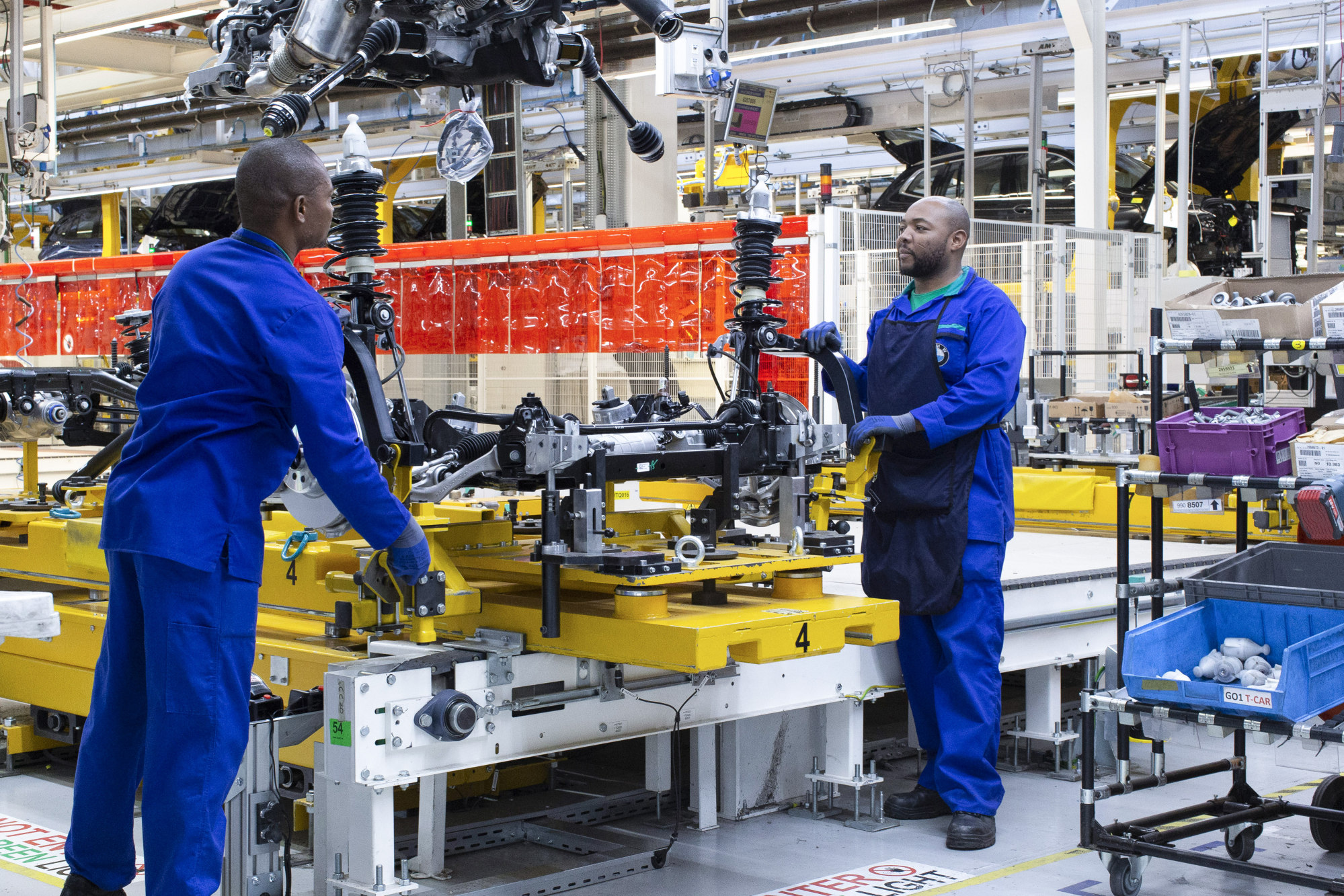
Zimbabwe Manufacturing Sector Recovery: Capacity Utilization Rises to 57% in Q1 2026
Zimbabwe’s manufacturing sector is showing clear signs of recovery, with capacity utilization rising to 57% in Q1 2026, up from 47.7% in the same period in 2025.
This nearly 10 percentage point increase is more than just a statistical improvement, it signals renewed industrial activity, stabilization in key production inputs, and a gradual return of business confidence in one of Southern Africa’s most closely watched economies.
But beneath the headline growth lies a more complex story. The recovery is real, but it is uneven, fragile in parts, and deeply influenced by policy direction, currency stability, and access to capital.
For investors, policymakers, and business operators, the critical question is no longer whether recovery is happening, but whether it is sustainable.
What Capacity Utilization Really Means for Zimbabwe’s Recovery
Capacity utilization measures how much of a country’s industrial production potential is actually being used.
At 57% utilization, Zimbabwean manufacturers are still operating below optimal levels, but the upward trend is significant. It indicates:
- Increased production activity
- Improved demand conditions
- Better access to raw materials and inputs
- Reduced downtime in factories
In practical terms, factories that were previously idle or underperforming are now running more shifts, fulfilling more orders, and re-engaging parts of the supply chain that had stalled.
This is often one of the earliest indicators of broader economic recovery.
Key Drivers Behind the Manufacturing Sector Recovery
Improved Access to Foreign Currency
One of the biggest constraints historically facing Zimbabwean manufacturers has been foreign currency shortages, which limited the ability to import raw materials, machinery, and spare parts.
Recent monetary adjustments and improved forex inflows, driven by exports, diaspora remittances, and tighter monetary controls, have eased some of these constraints.
As a result:
- Production lines are experiencing fewer disruptions
- Import-dependent industries (chemicals, pharmaceuticals, packaging) are stabilizing
- Inventory cycles are becoming more predictable
Stabilization of the Exchange Rate
Currency volatility has long been a major risk factor in Zimbabwe’s industrial sector. Sharp fluctuations made pricing, procurement, and financial planning extremely difficult.
Relative stabilization, though still imperfect, has allowed businesses to:
- Plan production cycles with greater confidence
- Lock in supply contracts
- Reduce speculative pricing behaviour
This stability directly contributes to improved capacity utilization.
Policy Support and Industrial Incentives
Government efforts to support local production are also playing a role in the recovery.
Key interventions include:
- Import substitution policies
- Duty exemptions on selected raw materials and capital equipment
- Targeted support for strategic sectors like food processing and pharmaceuticals
While implementation challenges remain, these policies are beginning to show measurable impact in production output.
Resilient Domestic Demand
Despite economic pressures, domestic demand for essential goods, especially in:
- Food and beverages
- Building materials
- Basic consumer goods
has remained relatively strong.
This demand provides a stable baseline for manufacturers, allowing them to increase production even in the absence of strong export growth.
Sector-by-Sector Performance: Where Growth Is Happening
The recovery is not uniform across all industries. Some sectors are leading the rebound more aggressively than others.
Food and Beverages
This remains the strongest-performing segment, driven by consistent demand and shorter supply chains.
- High utilization levels
- Strong distribution networks
- Relatively lower dependency on imports
Construction Materials
Growth in infrastructure projects and private real estate development has boosted:
- Cement production
- Steel and fabrication
- Paints and finishes
This sector is benefiting directly from both public and private investment flows.
Pharmaceuticals and Chemicals
Improved forex access has allowed this sector to recover from severe input shortages.
- Increased local production of basic medicines
- Reduced reliance on imports (though still significant)
Textiles and Clothing
While showing some improvement, this sector remains constrained by:
- High competition from imports
- Aging machinery
- Limited capital investment
The Investment Case: Why This Recovery Matters
For investors, particularly diaspora and regional players—the rise in capacity utilization presents a window of opportunity.
Undervalued Industrial Assets
Many Zimbabwean manufacturing businesses remain undervalued due to past economic instability.
This creates opportunities for:
- Strategic acquisitions
- Joint ventures
- Turnaround investments
Import Substitution Potential
Zimbabwe imports a significant portion of manufactured goods that could be produced locally.
Key opportunities exist in:
- Agro-processing
- Packaging materials
- Consumer goods manufacturing
Investors who align with import substitution strategies can benefit from policy support and strong local demand.
Regional Export Positioning
Zimbabwe is strategically located within SADC and COMESA markets, providing access to a large regional consumer base.
As production stabilizes, manufacturers can:
- Scale beyond domestic demand
- Leverage trade agreements
- Expand into neighbouring markets
Persistent Risks That Could Slow the Recovery
Despite the positive trajectory, several structural risks remain.
Currency Instability (Still a Threat)
While conditions have improved, Zimbabwe’s currency environment remains vulnerable to shocks.
Any renewed volatility could:
- Disrupt pricing structures
- Increase input costs
- Reduce investor confidence
High Cost of Capital
Access to affordable financing remains a major constraint.
- Interest rates are often prohibitively high
- Long-term financing options are limited
- SMEs are particularly affected
Infrastructure Constraints
Manufacturers continue to face challenges with:
- Electricity supply reliability
- Water access
- Transport and logistics inefficiencies
These factors increase operational costs and reduce competitiveness.
Policy Consistency Concerns
Investors remain cautious due to historical policy shifts.
Sustainable recovery will depend on:
- Predictable regulatory frameworks
- Transparent implementation of incentives
- Long-term economic planning
What Needs to Happen Next for Sustained Growth
For Zimbabwe’s manufacturing sector recovery to move from short-term rebound to long-term transformation, several actions are critical:
Deepening Industrial Policy Reform
Policies must move beyond short-term incentives toward:
- Industrial modernization
- Technology adoption
- Skills development
Strengthening Local Supply Chains
Reducing dependency on imports requires:
- Development of upstream industries
- Support for SMEs in manufacturing ecosystems
- Increased local sourcing
Improving Access to Finance
Innovative financing models are needed, including:
- Blended finance
- Development finance partnerships
- Diaspora investment vehicles
Infrastructure Investment
Reliable infrastructure is non-negotiable for industrial growth.
Priority areas include:
- Energy generation and distribution
- Transport networks
- Industrial parks and zones
The Bigger Picture: A Turning Point or Temporary Rebound?
The increase to 57% capacity utilization in Q1 2026 is a strong signal that Zimbabwe’s manufacturing sector is on a recovery path.
However, it is not yet a full recovery.
The sector is transitioning from:
- Survival mode → Stabilization
- Stabilization → Early-stage growth
Whether it reaches full industrial resurgence will depend on how effectively current momentum is supported by structural reforms and sustained investment.
Conclusion
Zimbabwe’s manufacturing sector recovery is no longer speculative, it is measurable, visible, and gaining traction.
The rise in capacity utilization from 47.7% to 57% within a year reflects real improvements in production, demand, and operational stability.
But the opportunity lies not just in observing this recovery, it lies in positioning for it.
For investors, businesses, and policymakers, this is a pivotal moment to engage, structure, and scale within a sector that is quietly rebuilding its foundation.
Call to Action
If you’re considering entering or expanding within Zimbabwe’s manufacturing sector, now is the time to act strategically.
Focus on:
- Structuring investments correctly
- Aligning with government incentives
- Identifying high-demand, import-substitution opportunities
The recovery is underway, but the biggest gains will go to those who move early and move smart.