Introduction
Zimbabwe’s energy sector is undergoing a gradual but important transformation. Rising electricity demand, aging infrastructure, power shortages, and increasing industrial energy needs are creating pressure for new investment in generation capacity and energy reliability.
At the same time, global momentum toward cleaner energy systems is accelerating investment into renewable energy technologies across Africa. Zimbabwe is increasingly positioned to benefit from this shift due to its natural solar resources, hydro potential, growing energy demand, and expanding interest from both public and private investors.
Renewable energy is no longer viewed only as an environmental initiative. It is increasingly becoming an economic, industrial, and infrastructure opportunity capable of supporting long-term business growth and national development.
For investors, entrepreneurs, infrastructure developers, and industrial businesses, Zimbabwe’s renewable energy sector presents opportunities that extend far beyond traditional power generation alone.
Zimbabwe’s Energy Challenge Creates Opportunity
Zimbabwe has faced recurring electricity shortages for years due to:
- Aging generation infrastructure
- Limited new investment capacity
- Growing industrial demand
- Climate-related hydropower pressure
Power instability affects:
- mining operations
- manufacturing
- agriculture
- commercial businesses
- households
As a result, energy reliability has become a major economic priority.
This challenge is also creating strong demand for alternative energy solutions.
Solar Energy: The Largest Immediate Opportunity
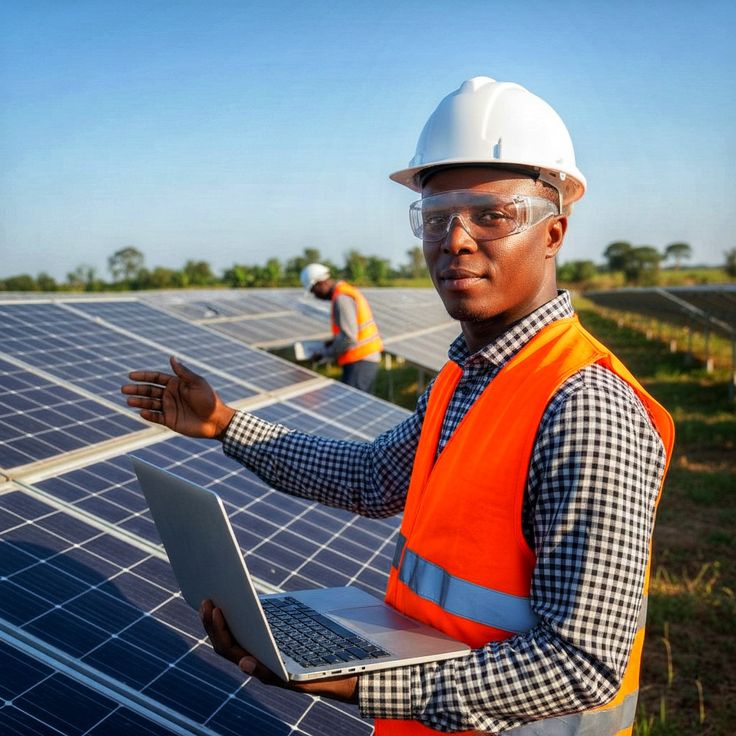
Solar energy remains Zimbabwe’s most visible renewable opportunity.
The country receives high levels of solar irradiation throughout much of the year, creating favourable conditions for:
- utility-scale solar farms
- commercial rooftop systems
- industrial captive power plants
- residential solar adoption
Businesses are increasingly investing in solar systems to reduce dependence on grid instability and rising energy costs.
Commercial and Industrial Solar Growth
Commercial and industrial solar installations are growing rapidly.
Sectors driving demand include:
- mining
- agriculture
- manufacturing
- retail centers
- logistics operations
Many businesses are now viewing energy independence as an operational necessity rather than an optional sustainability initiative.
Solar systems can also improve long-term cost predictability for energy-intensive industries.
Hydropower Still Matters
Hydropower continues playing an important role within Zimbabwe’s energy mix.
Beyond large-scale infrastructure, opportunities also exist in:
- small hydro projects
- mini-hydro systems
- rural energy development
Smaller hydro projects may support:
- agricultural operations
- isolated communities
- industrial facilities
Hydropower can provide stable renewable generation when managed alongside broader energy diversification strategies.
Mini-Grids and Rural Electrification
Large portions of Zimbabwe still face electricity access limitations.
This creates opportunities for:
- solar mini-grids
- hybrid energy systems
- off-grid renewable solutions
Rural electrification projects may support:
- farming productivity
- small business development
- digital connectivity
- education access
Mini-grid systems are increasingly attracting development finance and impact investment interest across Africa.
Battery Storage and Energy Reliability
Renewable energy growth is also increasing demand for battery storage systems.
Energy storage improves:
- power reliability
- backup capacity
- load management
- operational stability
As battery technology costs continue declining globally, integrated solar-plus-storage systems may become increasingly viable for businesses and communities.
Renewable Energy Financing Opportunities
Financing remains one of the biggest drivers of renewable energy expansion.
Funding sources may include:
- development finance institutions
- climate finance programs
- infrastructure funds
- impact investors
- blended finance structures
Renewable energy projects aligned with sustainability and development priorities may attract long-term investment support.
Policy and Regulatory Considerations
The renewable energy sector still depends heavily on regulatory clarity and policy consistency.
Investors typically evaluate:
- licensing frameworks
- tariff structures
- grid access policies
- currency stability
- investment protections
Stable policy environments improve investor confidence and long-term project viability.
The Role of Private Sector Participation
Private sector participation will likely play a major role in future energy expansion.
Businesses are increasingly involved through:
- independent power production
- captive energy projects
- public-private partnerships
- distributed energy systems
Energy investment is becoming both an infrastructure opportunity and a competitive business strategy.
Beyond Solar and Hydro
While solar and hydro dominate discussions, future opportunities may also emerge in:
- biomass energy
- waste-to-energy systems
- geothermal exploration
- green hydrogen ecosystems
As energy technology evolves, Zimbabwe’s renewable sector could diversify significantly over time.
Economic and Industrial Impact
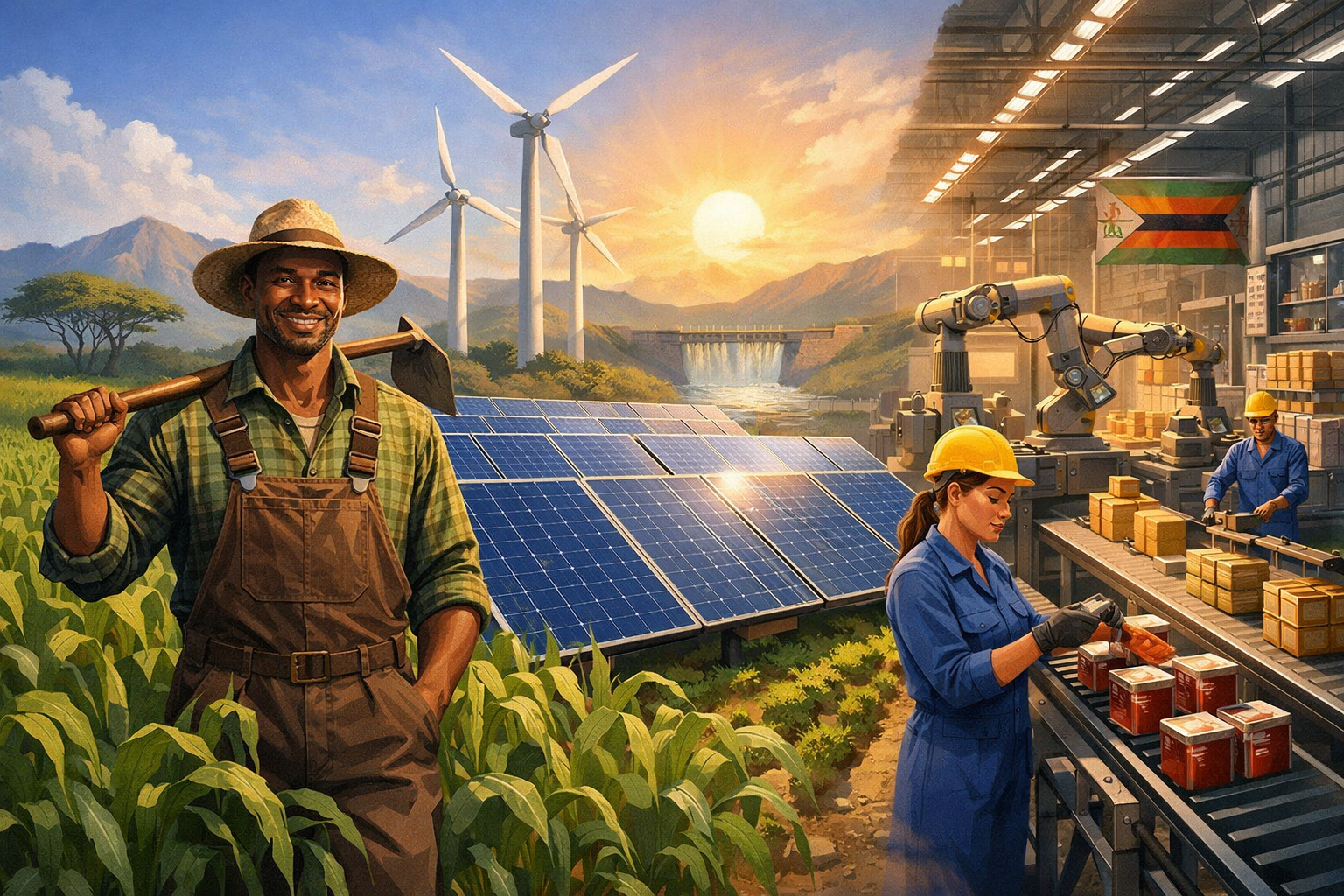
Renewable energy growth can influence broader economic development through:
- industrial productivity improvements
- reduced power disruptions
- job creation
- infrastructure modernization
- improved investor confidence
Reliable energy systems are foundational to long-term economic competitiveness.
Final Thoughts
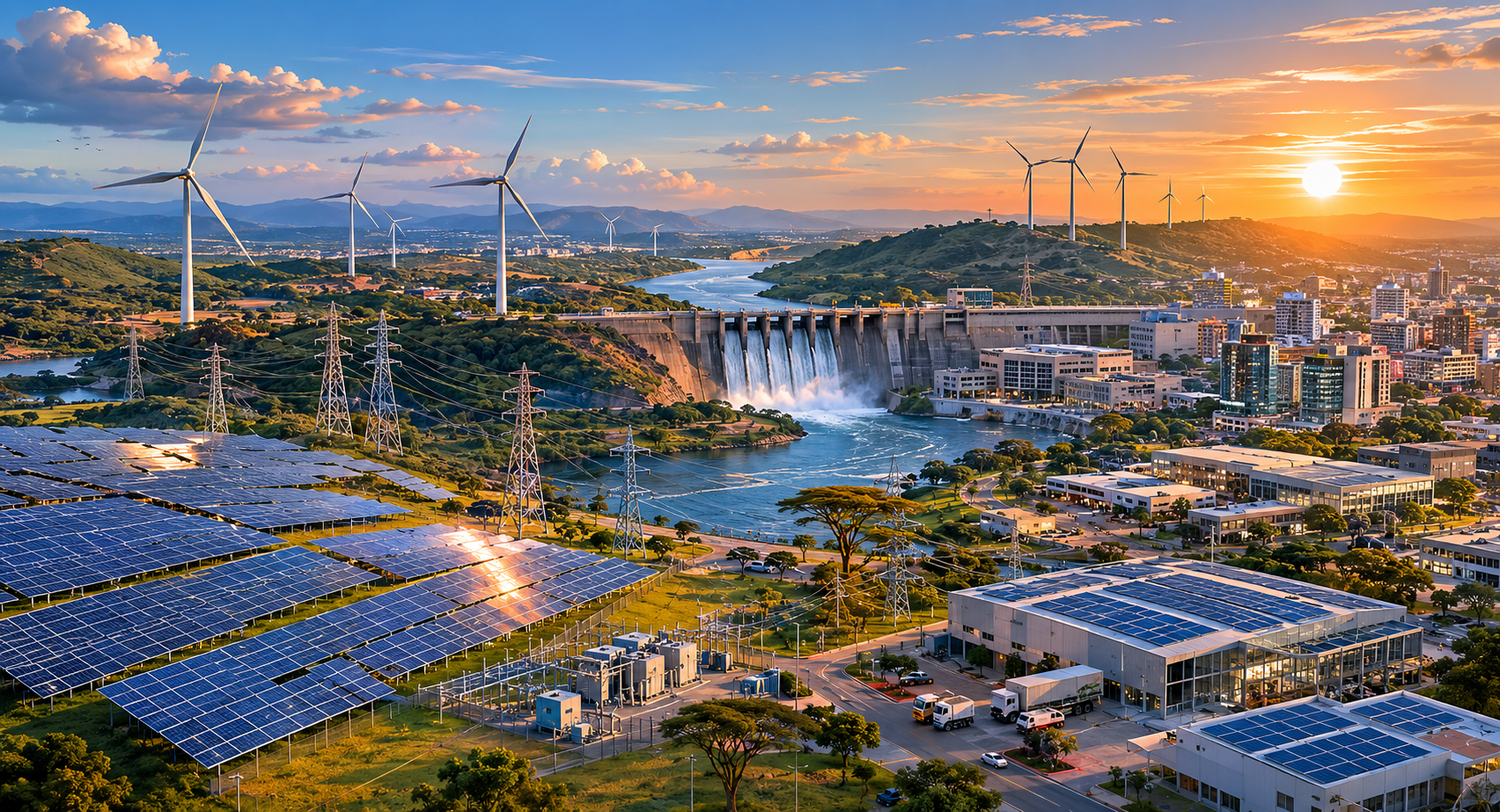
Zimbabwe’s renewable energy sector is evolving into one of the country’s most important long-term investment and infrastructure opportunities. Solar, hydro, storage systems, and distributed energy solutions are increasingly becoming central to economic resilience and industrial growth.
While challenges remain around financing, regulation, and infrastructure, the long-term demand for reliable and sustainable energy is unlikely to decline.
Businesses and investors that position themselves early within the sector may benefit from both commercial growth and long-term structural transformation.
Call to Action
Investors, developers, and businesses should explore renewable energy partnerships, financing mechanisms, and infrastructure opportunities that support long-term energy resilience and economic growth in Zimbabwe.