Introduction
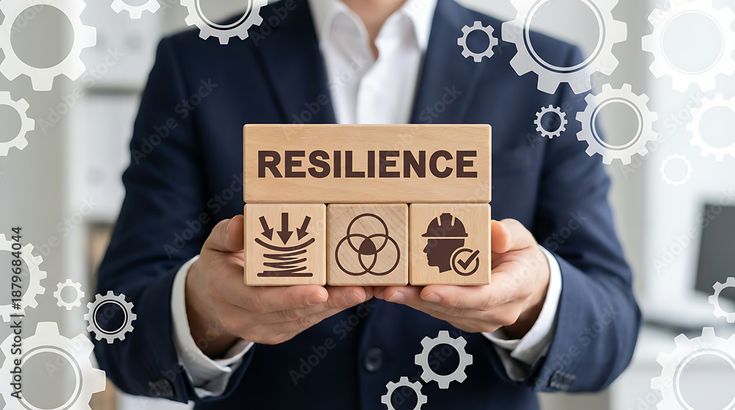
Running a business in Zimbabwe requires resilience. Economic uncertainty, currency instability, infrastructure challenges, and policy changes have become part of the operating environment for many companies. While some disruptions can be anticipated, others emerge suddenly and place enormous pressure on operations, cash flow, and long-term sustainability.
The businesses that survive difficult periods are usually not the biggest or the oldest. They are often the most prepared. Crisis management is therefore no longer something companies can treat as a secondary issue. It has become a core part of strategic planning.
A strong crisis management strategy helps businesses reduce panic during uncertainty, respond faster to disruptions, and recover more effectively when challenges arise.
Why Crisis Management Matters More Than Ever
Unexpected events can affect nearly every part of a business. A sudden currency shift can increase import costs overnight. Power shortages can interrupt production schedules. Regulatory changes may affect pricing, licensing, or taxation.
For Zimbabwean businesses, the most common risks include:
- Currency volatility
- Fuel shortages
- Supply chain disruptions
- Cybersecurity threats
- Regulatory changes
- Infrastructure breakdowns
Without preparation, even a short disruption can result in financial losses, damaged customer relationships, and operational setbacks.
This is why crisis management should not only focus on reacting to problems. Businesses should instead build systems that improve resilience before disruptions occur.
Building a Crisis Management Framework
One of the biggest mistake’s companies make is assuming they will “figure things out” when problems happen. In reality, crises create pressure that makes decision-making harder.
A structured crisis management framework provides guidance during uncertain periods.
An effective framework should include:
- Risk identification processes
- Defined leadership responsibilities
- Communication procedures
- Recovery and continuity plans
When businesses have clear systems in place, employees are more confident, response times improve, and operations become easier to stabilize.
The Importance of Financial Preparedness
Financial resilience is often what determines whether a company survives a crisis or collapses under pressure.
Businesses should focus on maintaining healthy liquidity and reducing unnecessary financial exposure.
Important financial strategies include:
- Building emergency cash reserves
- Diversifying revenue streams
- Reducing excessive short-term debt
- Monitoring foreign currency exposure
Companies operating in multiple currencies should also strengthen treasury management practices to reduce the impact of exchange rate fluctuations.
A business with strong cash flow management can absorb shocks more effectively than one operating under constant financial pressure.
Strengthening Business Continuity Planning
Business continuity planning ensures operations can continue even during disruptions.
Many companies learned during recent global and regional disruptions that relying on a single supplier, logistics route, or operational system creates vulnerability.
A strong continuity strategy may include:
- Backup suppliers
- Alternative transportation arrangements
- Remote work capabilities
- Cloud-based systems and data backups
The goal is not necessarily to avoid every disruption, but to minimize downtime and maintain customer confidence.
Communication During a Crisis
One of the fastest ways for a crisis to escalate is through poor communication.
Employees, customers, suppliers, and investors all need accurate information during uncertain periods. Businesses that communicate clearly often maintain trust even during difficult circumstances.
Companies should establish:
- Internal staff communication systems
- Customer update procedures
- Media response guidelines
- Crisis spokesperson responsibilities
Transparency and consistency are extremely important. Unclear messaging can create confusion and reputational damage.
Technology and Cybersecurity Risks
As businesses become more digital, technology-related risks continue increasing.
Cyberattacks, system failures, and data breaches can disrupt operations and damage customer trust.
Zimbabwean businesses should invest in:
- Secure cloud storage
- Cybersecurity awareness training
- Multi-factor authentication
- Regular software updates
Technology resilience is now a fundamental part of operational resilience.
Leadership and Decision-Making Under Pressure
Strong leadership becomes most visible during difficult periods. Employees look to management for direction, confidence, and stability.
Business leaders should be trained in:
- Crisis communication
- Scenario planning
- Risk assessment
- Strategic decision-making
Prepared leadership teams are more likely to make calm, informed decisions instead of reactive ones.
Learning from Previous Crises
Every disruption provides lessons.
Businesses should regularly evaluate past challenges and ask:
- What worked well?
- What weaknesses were exposed?
- What systems need improvement?
Continuous improvement helps organizations become more adaptable over time.
Final Thoughts
Crisis management is not about predicting every possible problem. It is about creating systems, leadership structures, and financial resilience that allow businesses to adapt when uncertainty arises.
Zimbabwean companies that prioritize preparation, flexibility, and long-term thinking are far better positioned to survive difficult periods and capture opportunities when conditions improve.
Call to Action
Now is the time to strengthen your crisis management strategy. Businesses that prepare before disruption occurs are more likely to remain stable, competitive, and resilient in changing economic conditions.